
Published by Connection Compass
Locate your post-divorce reentry scenario
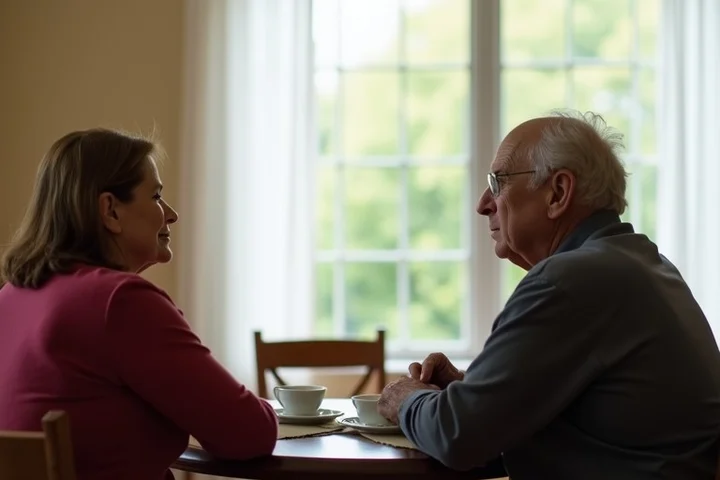
One person notices that each date turns into comparison with the marriage or renewed hope of reconciliation. Another has a regular exchange with a former spouse about children, property, work, or shared social ties. Someone else has been single long enough that current dating customs feel foreign, while a developing relationship brings the question of family introductions close. These are different reentry situations, and each calls for a different pace.
When distress repeatedly intensifies after dates, a limited exploratory pace leaves room to see what dating is bringing forward. When former-partner contact is unavoidable, brief practical disclosure gives a date useful context: the contact exists, it affects availability, and it has boundaries. The full history of the marriage does not belong in an early conversation. Clear logistics reduce surprise while keeping private conflict private.
When dating culture feels unfamiliar after years away
A person returning after a long marriage encounters new ways of meeting, different expectations around messaging, and a quicker flow from introduction to date. The unfamiliarity is information about the environment, not proof that the person is unprepared for connection. A narrow dating channel and a slower sequence of meetings create enough distance to learn what feels workable.
The stronger filter is the relationship sought now. Someone who once moved easily toward a familiar marriage structure may now want companionship, a committed partnership with more independence, or another arrangement that fits present work, housing, caregiving, finances, and family life. Naming that goal early helps current conventions serve as a filter rather than a script.
When a new relationship may affect children or family
The stakes change when a promising relationship moves from private dates toward the family calendar. An introduction can create attachment for a child and disruption if the relationship ends soon afterward. Meaningful continuity between the adults gives that decision a different foundation than early excitement does.
Before an introduction, the adults need a shared view of roles and expectations, along with attention to the child's age, stability, family circumstances, and needs. Co-parenting realities and existing agreements also shape the decision. Where parenting agreements or ongoing legal proceedings apply, relevant qualified local guidance belongs alongside the family's own planning.
Revise the plan when the evidence changes
- Continue at the present pace when dating brings manageable curiosity, honest communication, reliable scheduling, and a clearer sense of the relationship sought.
- Slow the pace when dates repeatedly leave distress, comparison, or hope of reconciliation carrying more weight than the new connection itself.
- Pause when contact depends on concealment, practical commitments regularly make dating unavailable, or former-partner conflict makes honest participation unworkable.
- Change expectations when family needs or co-parenting realities expose a mismatch between the relationship's pace and the life around it; seek relevant professional guidance where active agreements or proceedings require it.