
Published by Connection Compass
What a First-Date Safety Plan Can—and Cannot—Do
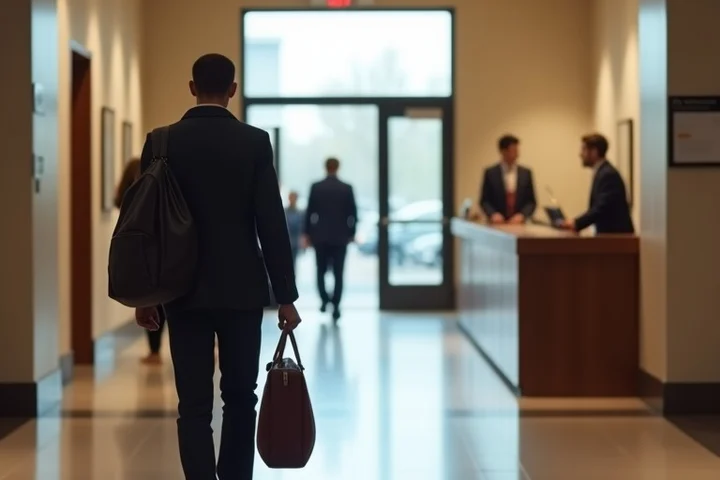
A first in-person meeting carries uncertainty about identity, behavior, transportation, impairment, and respect for stated limits. A populated venue gives you access to other people and, in some settings, staff, but it does not guarantee safety. Treat it as a risk-reduction measure: confirm operating hours, choose a place with visible ways out, and retain your own way home.
Informal profile checks also have limits. Federal consumer-protection and law-enforcement guidance warns that deceptive dating profiles and false online identities exist, and it advises researching profile photos when deception is suspected. That check cannot establish character, confirm that an online account belongs to the person you meet, or eliminate the possibility of harm. Source limit: the supplied guidance addresses deceptive online identities and suspected romance scams, not a method for verifying an in-person date's safety.
Build a Check-In and Exit Plan Before You Leave
- Save the match's profile details and relevant messages where you can reach them later, then send a trusted person the profile information, venue, expected end time, and your transportation plan.
- Agree on a check-in time and a simple signal that means you want a call, pickup help, or emergency assistance. Decide in advance what the trusted person does after a missed check-in, such as calling you first and escalating if they cannot reach you.
- Confirm transportation that does not depend on the date for arrival or return. Keep enough phone access, money, identification, medication, and keys to leave on your own.
- Check the venue's operating hours and choose a setting with other people nearby and a clear exit route. Know where you will go if the venue closes or the plan changes.
- Set your departure threshold before arriving: ignored limits, pressure to relocate, unexpected companions, interference with your ride, or pressure to become intoxicated ends the meeting.
Keep Control of Transportation, Belongings, and Location Changes
Independent transportation protects your ability to leave when a date becomes pressuring or unsafe. Keep control of your phone, identification, money, medication, keys, and return trip rather than placing them in a date's vehicle, home, or possession. Keep your drink with you and reassess if drinking or another form of impairment would make it harder to judge the situation, communicate consent, or get home.
A proposal to move to another location is new information, not an automatic next step. Pause to consider whether the change reduces visibility, separates you from your transportation, makes it harder to contact your check-in person, or conflicts with a limit you already set. Declining is enough; you do not need to defend the decision.
Using Preselected Triggers Instead of Debating With Yourself
A date ignores a physical limit after you state it.
The meeting no longer meets the boundary you set before arriving.
Leave without debating. Move toward staff or other people, contact your check-in person, and use emergency services if you are in immediate danger.
A date pressures you to drink more, take a substance, or move to a second location.
Impairment or relocation can reduce your ability to assess the situation and use your planned exit.
Decline, keep control of your transportation and belongings, and leave. Ask venue staff or a trusted contact for practical help if leaving alone feels difficult.
Unexpected companions arrive, or the date becomes angry about your check-in plan.
The plan and setting you agreed to have changed.
Treat the change as a departure trigger. Go to staff or a populated area, notify your trusted person, and arrange your independent ride.
A date blocks your transportation, takes your phone or belongings, threatens you, or makes a credible threat.
The situation has moved beyond an uncomfortable date to an immediate safety concern.
Seek nearby help and call 911 in the United States for immediate danger or an urgent medical emergency.
If You Need Help Right Now
- Move toward staff, security, a cashier, a driver, or other nearby people and state plainly that you need help leaving or need emergency assistance.
- Call 911 in the United States when there is immediate danger, a credible threat, or an urgent medical emergency.
- Contact your trusted person when you need a safe ride, someone to stay on the phone, or help carrying out the check-in plan.
- Seek medical attention when you have an injury, feel unwell, suspect impairment, or need care after an incident.
- Leave first. You do not need to confront the date, obtain an explanation, collect proof, or decide about reporting before reaching safety.
Supporting, Documentation, and Reporting Afterward
After you reach safety, save relevant messages, profile details, and account information if doing so does not create further risk. Use the dating service's official reporting and blocking route for conduct on that service. Reporting tools and evidence-preservation procedures differ by platform, jurisdiction, and incident type, so preserve what you safely can rather than assuming one procedure applies everywhere.
Medical care, confidential victim-support services, and law-enforcement reporting serve different needs. A victim-support service can help you discuss options and referrals without requiring an immediate decision about law enforcement. Where there is no immediate threat, contact a local non-emergency law-enforcement channel if you want to discuss making a report. For suspected deceptive dating profiles or romance scams, federal guidance advises ending contact and reporting the suspected scam; the FBI identifies IC3 as a reporting channel. Source limit: the supplied federal sources address suspected romance scams and deceptive online identities, not platform-specific incident procedures, local reporting rules, or medical care.
Sources for this guide
- What To Know About Romance Scams — Federal Trade Commission
- Romance Scams — Federal Bureau of Investigation