Published by Connection Compass
What makes a behavior a red flag rather than a bad moment
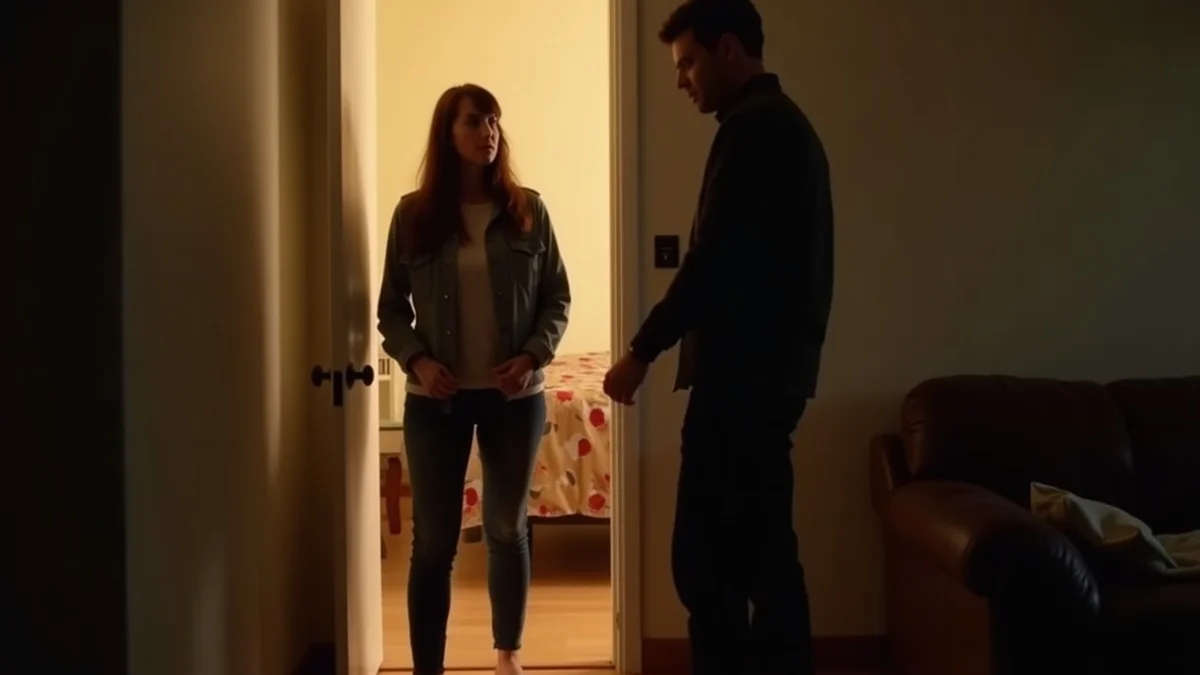
Frequency matters, but severity, escalation, power imbalance, and the response after concern is raised matter too. An isolated mistake followed by ownership, repair, and sustained changed behavior carries different meaning from a violation that recurs, grows, or is met with excuses, pressure, or retaliation.
Violence, sexual coercion, stalking, and credible threats cross the threshold in one incident. Waiting for a pattern is unnecessary when safety is at risk.
A reference map of control, disrespect, and manipulation
A preference becomes controlling when it is enforced through pressure, punishment, monitoring, or restrictions. Privacy allows personal space; secrecy becomes concerning when it sustains deception or prevents informed choices.
Look at what happens after you name the problem
An apology has meaning when it is followed by accountable conduct over time. The response to a concern often reveals more than the first apology.
When observation should give way to safety action
Prioritize safety when there are credible threats, stalking, sexual coercion or forced sexual activity, blocked exits, physical intimidation, escalating surveillance, retaliation for leaving, or threats involving weapon access. These indicators warrant trusted support or a qualified relationship-abuse resource.
Keep factual notes about behavior only when doing so is safe. A current U.S. relationship-abuse support resource can help someone consider safety options without requiring them to wait for further escalation.