Published by Connection Compass
Before leaving: remove the nerves you can prevent
Set up the practical parts early so your attention is not split between the date and unfinished logistics.
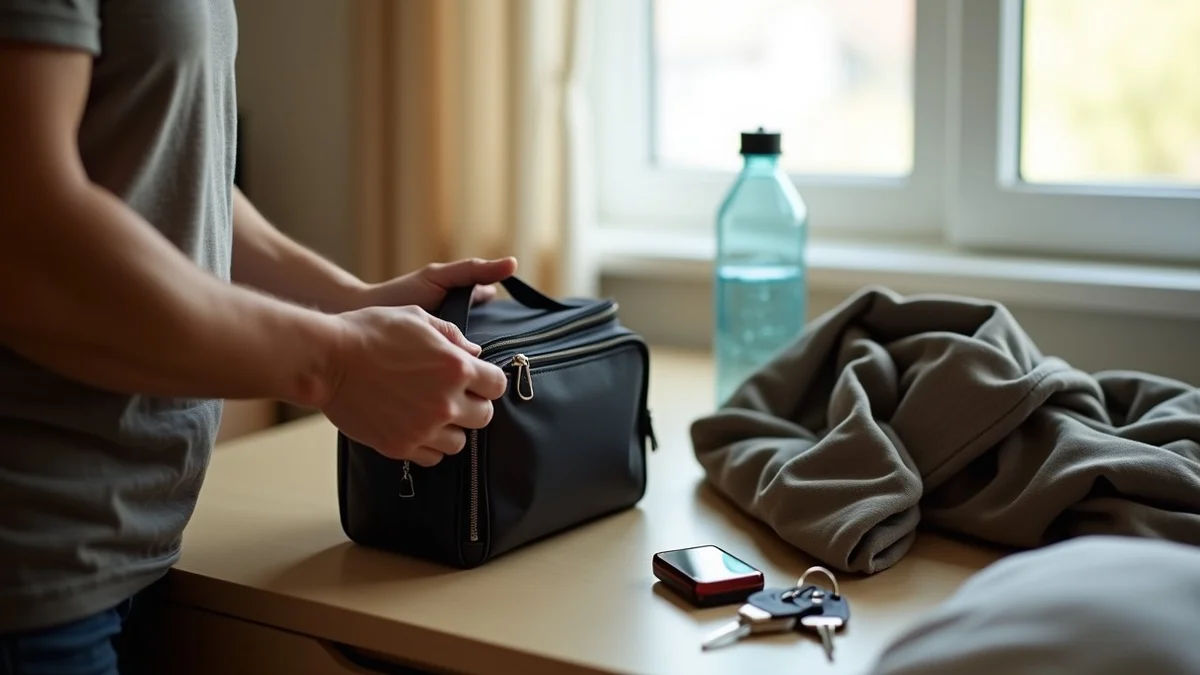
- Confirm the time and venue, choose your clothing, map the route, and arrange transportation earlier in the day.
- Eat and hydrate normally. Avoid last-minute rushing, then aim to arrive with a small buffer rather than enough time to wait and build anticipation.
- Replace a performance goal with one simple participation goal: notice how you feel with this person and learn three real things about them.
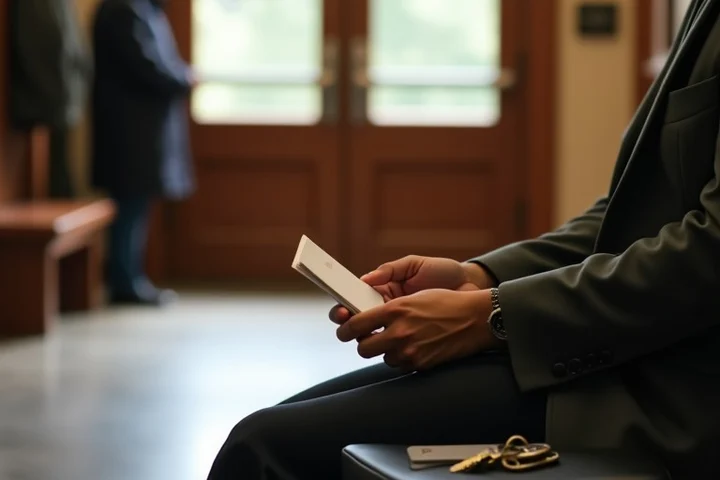
- On arrival, pause before going in. Notice your feet on the ground, look at a few ordinary details around you, and take a slower, longer exhale.
During the date: reset without trying to eliminate every sensation
Nervousness does not need to disappear before you can participate. Use a reset, then return your attention to the person and the shared setting.
- Orient to three neutral details in the environment, such as a table, a light, or a sound, while making the exhale longer than the inhale.
- Reconnect to the last concrete thing the other person said. Ask a follow-up or reflect one detail back instead of searching for a perfect next line.
- If you lose your thought, say, “I just lost my thought for a second,” then continue. Do not repeatedly apologize or turn the moment into a bigger event.
- Stop adding scripts if preparation becomes hours of rehearsal. Return to your one intention: stay curious and present.
- Do not use alcohol or another substance as the main way to get through the date. It can replace attention with avoidance.
Afterward: evaluate the date after the adrenaline drops
Wait until the strongest physical activation has eased before deciding what the date meant. Then write a short assessment based on both your experience and the other person's behavior.
- Were they respectful throughout the date?
- Did curiosity or ease increase at any point?
- Would you want another hour with them?
- Did the discomfort feel like ordinary novelty, or did it follow a specific boundary violation or alarming behavior? Treat the latter as information, not as ordinary first-date nerves.
- Write one thing that felt good, one thing that did not, and whether you want to see them again.
- If fear repeatedly leads to canceled dates, panic, or major restriction in your life, discuss it with a qualified mental-health professional rather than relying only on date tips.