
Published by Connection Compass
Use green flags as evidence, not guarantees
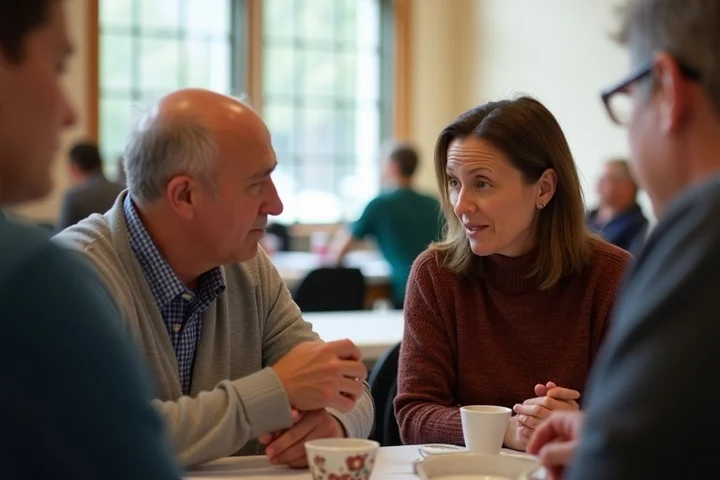
A green flag is an observable behavior that supports trust and cooperation. One pleasant interaction or strong chemistry offers an early signal; its meaning becomes clearer when the behavior recurs across settings, time, and minor stress.
Look for consistency between words and behavior
- Plans are kept, or changes are communicated clearly.
- Stated intentions are followed by matching actions.
- Respect remains broadly similar in private, public, and digital interactions.
- Communication volume can vary with work, caregiving, disability, or personal style; reliability and clarity matter more than constant availability.
Noticing whether interest and effort are reciprocal
- Both people initiate contact at times and suggest plans.
- Each asks substantive questions, listens, and remembers relevant answers.
- Both share enough about themselves for closeness to develop.
- Kindness and respect extend to other people, not only the person being dated.
Checking for respect without control
Respect includes accepting a no without punishment, allowing separate friendships and interests, supporting a manageable pace, and discussing differences without trying to direct the other person's choices. A healthy connection leaves room for both partners' independent lives.
Pay attention to accountability and repair
After disappointment or misunderstanding, a promising partner recognizes impact, offers a specific apology, hears another perspective, and makes an adjustment that reduces repetition. Stress can disrupt constructive behavior temporarily; acknowledgment and recovery show more than perfection.
Judge the pattern across ordinary life
- Note which constructive behaviors have appeared repeatedly rather than once.
- Check whether they persist when plans change, time is limited, or opinions differ.
- Notice whether effort, curiosity, and consideration move in both directions.
- Assess whether the relationship leaves room for both people's needs, obligations, and independent lives.