Published by Connection Compass
A Short Reply Can Still Contain a Useful Hook
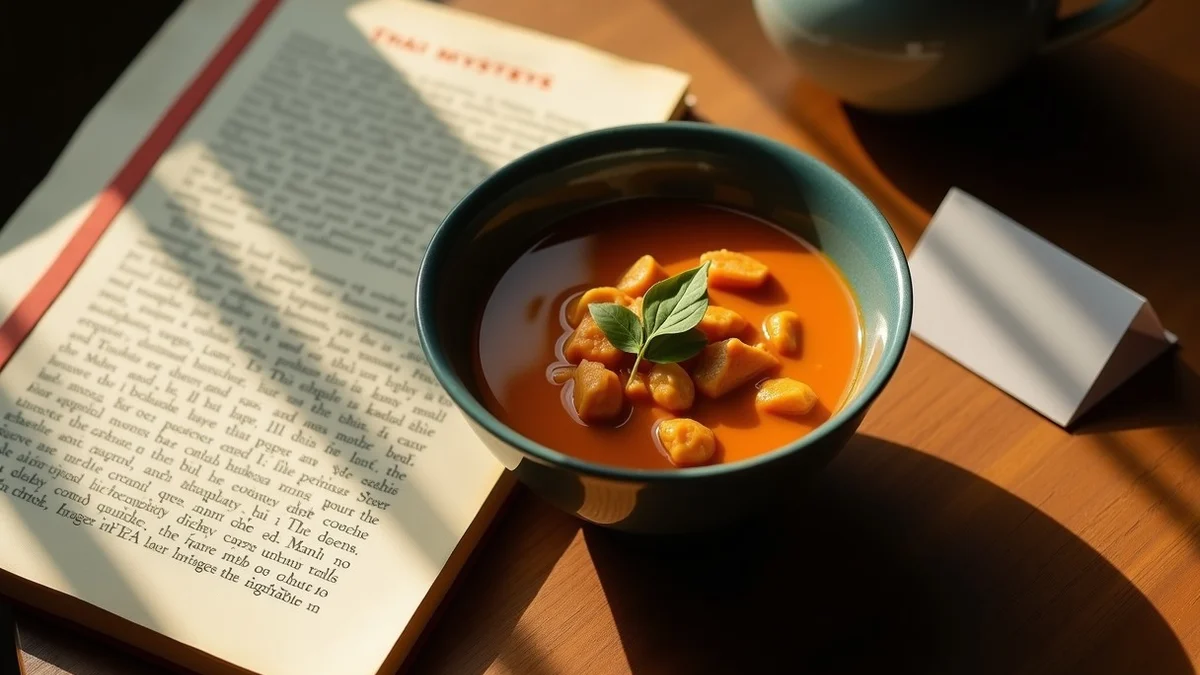
“I finished a mystery novel” gives you an activity and a clear subject for the next message. Ask about the book rather than switching to a broad question that makes the match supply a whole new topic. The curry detail also matters: it gives them a little of you to react to while you ask about them.
Match: I finished a mystery novel.
You: That is a solid quiet-weekend choice. I always hope I will solve those early and usually do not. Did the ending actually surprise you?
Match: It did, which is why I liked it.
Match: Not really.
You: Sounds like it was a quiet one.
Match: Yeah.
Build the Next Message From Three Small Parts
The strongest next message usually reacts to their detail, adds one related detail from you, and ends with one question. The personal detail creates context for the question; the focused wording gives the match an easy place to answer.
Match: I like hiking. You: Same, although I lean more scenic trail than punishing summit. Do you have a favorite kind of hike? Match: Usually anything near water. You: That sounds like my speed. I recently found a short lakeside trail with a picnic area—do you prefer relaxed walks like that or longer day hikes?
Match: Work has been busy. You: That can take over a week quickly. I usually reset by cooking something or taking a long walk. What helps you switch out of work mode? Match: Usually TV. You: I am looking for something new to watch. What is one show you would actually recommend rather than just admit to watching?
Change the Subject Without Making the Pivot Feel Random
When the current subject runs out, reuse a word already in the conversation or profile. The bridge is the detail that makes the next subject feel connected rather than dropped in.
Match: I mostly had a quiet weekend.
You: Same. You mentioned mysteries in your profile—did you get any reading in?
Match: I finished one, actually.
You: Nice. I always want a book that keeps the ending hidden. Did this one fool you?
Match: Usually anything near water.
You: That sounds better to me than a steep summit. I found a short lakeside trail with a picnic area recently—are you more likely to stop for snacks or keep moving?
Match: Definitely stop for snacks.
You: Good answer. A view is better when there is something in the bag besides water.
Recognize When You Are Carrying the Entire Exchange
One short answer does not settle anything. A pattern does: you ask focused questions, share usable details, and receive repeated bare answers that neither add information nor pick up what you said. Stop carrying the exchange when that pattern continues.