
Published by Connection Compass
The short distinction
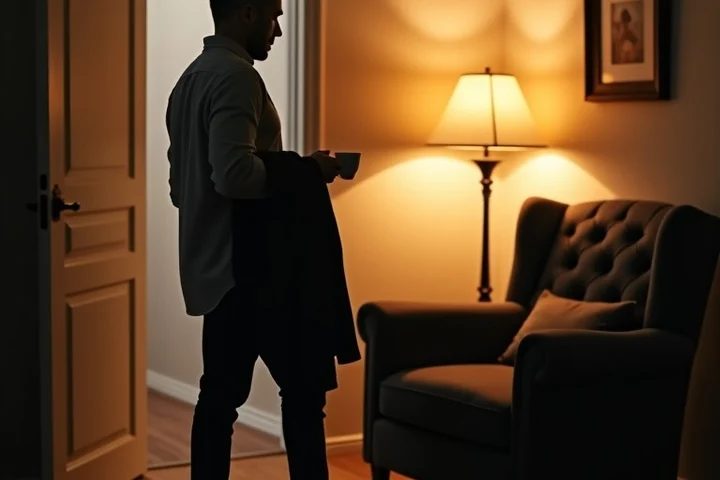
Introversion describes a temperament-related preference for lower stimulation, smaller-scale interaction, or solitude for recovery. In dating, an introverted person often enjoys a conversation and still needs quiet afterward because the interaction used social energy. Social anxiety follows a different mechanism: anticipated judgment makes the date feel threatening, even when connection is wanted. The crucial question is whether someone is managing stimulation or trying to escape feared humiliation, rejection, or visible nervousness.
What introversion can look like while dating
- Preferring one-on-one dates because a focused conversation feels more comfortable than a crowded social setting.
- Enjoying an evening with someone and wanting solitude or quiet time afterward to recover energy.
- Taking time to warm up before becoming more talkative or expressive.
- Choosing fewer social events while still wanting and being able to attend dates that matter.
What social anxiety can look like while dating
- Wanting a date but strongly fearing that appearing awkward, quiet, or nervous will lead to negative judgment.
- Canceling a wanted date because avoiding scrutiny brings immediate relief.
- Experiencing intense physical anxiety before or during an interaction.
- Finding that fear makes it difficult to speak, respond, or participate as intended.
- Repeatedly reviewing an interaction afterward for perceived mistakes or signs of rejection.
- Seeing the same fear and avoidance persist across relevant social situations and interfere with desired relationships.
Why the same behavior can have different causes
- Behavior: Canceling a date Energy Or Preference Explanation: A person feels depleted after a demanding week and prefers rest over another social commitment. Fear Or Other Explanation: Fear of scrutiny makes the date feel threatening; changed interest, past experience, a safety concern, or a practical problem also sometimes lead to cancellation. What To Notice: Whether the person wanted the date and what outcome prompted the cancellation.
- Behavior: Being quiet during a date Energy Or Preference Explanation: A person takes time to warm up and prefers listening or a slower-paced conversation. Fear Or Other Explanation: A person monitors every word because a mistake or awkward pause feels dangerous. What To Notice: Whether the quiet feels comfortable or comes with distress and self-surveillance.
- Behavior: Preferring a small or one-on-one date Energy Or Preference Explanation: A lower-stimulation setting supports connection and conserves social energy. Fear Or Other Explanation: A larger setting intensifies worry about being watched, judged, or embarrassed. What To Notice: Whether the setting is chosen for enjoyment, escape from feared evaluation, or both.
- Behavior: Needing recovery time afterward Energy Or Preference Explanation: An enjoyable interaction still leaves a person socially tired and ready for solitude. Fear Or Other Explanation: The interaction continues mentally through prolonged review of perceived mistakes or negative judgments. What To Notice: Whether recovery is mainly about restoring energy or remains tied to threat anticipation and rumination.
When introversion and anxiety overlap
The two patterns often operate at the same time. A quieter venue or a shorter date reduces stimulation and fatigue for an introverted person, yet fear of humiliation may still build beforehand or turn into post-event rumination afterward. The change in setting addresses the energy demand; it does not automatically remove fear of evaluation. Likewise, reduced fear does not create a preference for frequent, crowded, or high-stimulation social activity.
A self-observation framework, not a diagnosis
- Desire: Ask whether you want the interaction itself or mainly feel pressure to attend it.
- Threat: Name the outcome you fear, such as embarrassment, visible nervousness, rejection, or negative judgment.
- Course: Notice whether discomfort eases as familiarity grows or remains strong across relevant situations.
- Pattern: Track how often avoidance, cancellation, silence, or extended rumination occurs.
- Impact: Consider whether the pattern repeatedly blocks wanted dates, communication, or relationships.
- Energy and threat: Separate the feeling of being socially depleted from the expectation that something humiliating or rejecting will happen.
- Limits: These observations offer clues about patterns; they cannot confirm a disorder or replace an individualized professional assessment.
When professional evaluation may be warranted
Consider speaking with a licensed mental-health professional when fear of evaluation is persistent, intense, or substantially interferes with wanted dating and other important areas of life. Repeatedly canceling desired dates, being unable to communicate as intended, or avoiding relationships that matter are functional effects worth bringing to an individualized evaluation. A professional assesses the pattern in context; a label drawn from one behavior or a self-check does not do that work.